Guitar
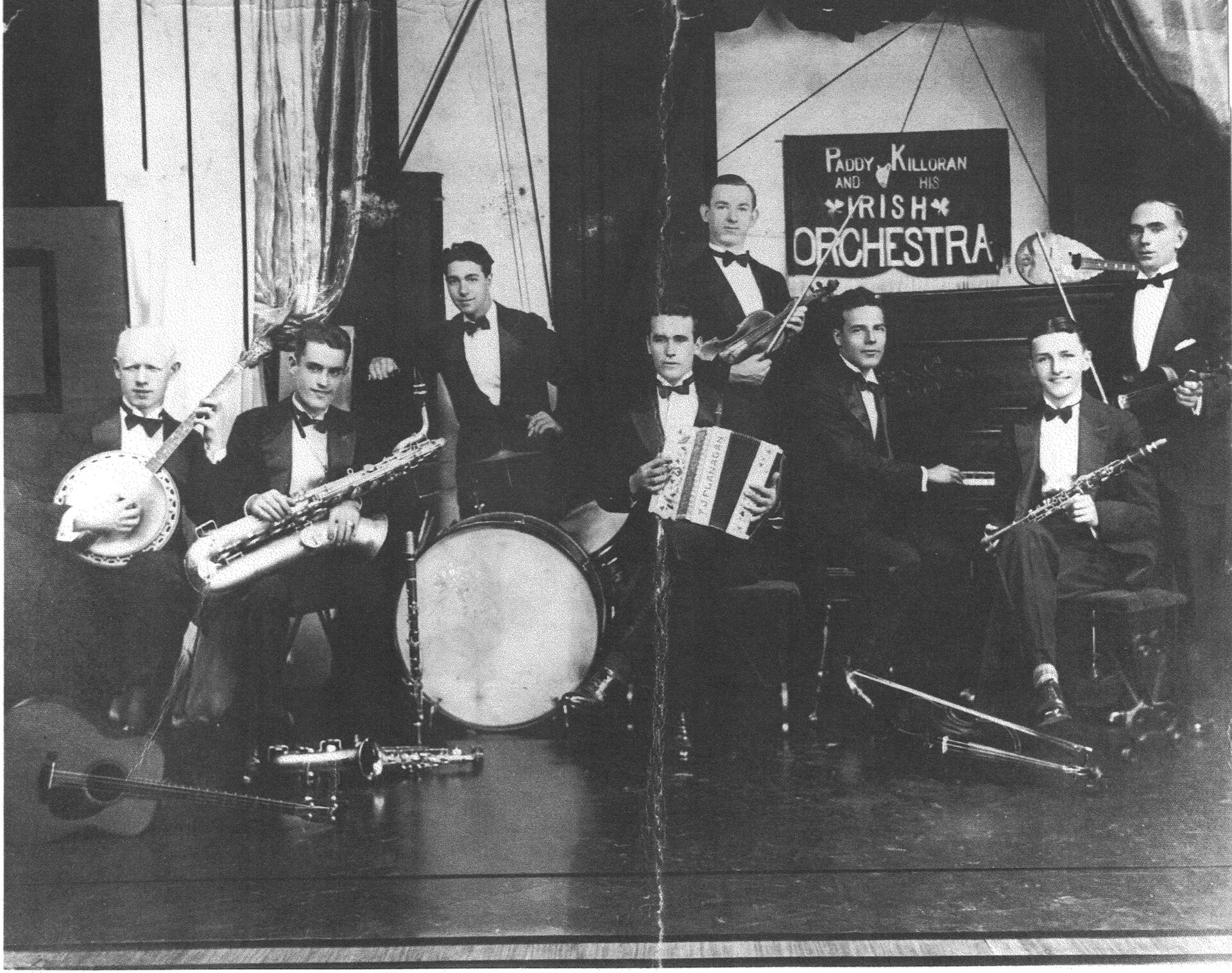
The accompanist in the corner
A free online guitar tuner covering standard EADGBE, DADGAD and drop D. It listens through your microphone, runs in the browser and needs no account.
Tap a string to hear its reference tone and tune to it by ear. The microphone pauses while a tone sounds.
Listens through your microphone. Nothing is recorded and nothing leaves your browser.
Press a string to hear it. The microphone pauses while it sounds.
A free online guitar tuner covering standard EADGBE, DADGAD and drop D. It listens through your microphone, runs in the browser and needs no account.
The tuning you choose decides what the instrument is good at. This is the part that is rarely written down.
Everything outside Irish traditional music, and plenty inside it. Every chord shape you already know, and the tuning all published guitar music assumes.
Backing Irish traditional music, and the reason most trad guitarists own a second guitar. The open strings give a D suspended chord, which sits under tunes without committing to major or minor. Irish tunes are often modal, and a tuning that refuses to pick a third suits them.
The smallest useful change. Only the bottom string moves, so every shape on the top five still works, and you get a low D drone for tunes in D. A good halfway house if DADGAD feels like starting over.
Everything people ask before they tune up.
Yes, entirely free. No account, no trial, no limits and no adverts. It covers standard EADGBE, DADGAD and drop D tuning.
This is one. Choose DADGAD above and the tuner listens for D2, A2, D3, G3, A3 and D4. There is no account and nothing to install.
Accompanying Irish and Celtic traditional music, mostly. The open strings sound a D suspended chord, so it supports a tune without deciding whether it is major or minor. A lot of Irish tunes are modal, and a tuning that stays neutral about the third suits them better than standard.
Three strings move from standard tuning, so some chord shapes change. Start with a few DADGAD shapes and listen to how the open strings fit the tune. The unchanged A, D and G strings give you familiar notes to work from.
Drop D moves one string: the bottom E goes to D. Everything else stays, so all your shapes still work. DADGAD moves three, giving a fuller drone and a genuinely different instrument to play.
No. This runs in your browser using your microphone. Nothing is installed, nothing is recorded and nothing leaves your device.
Standard guitar tuning is EADGBE, low to high: E2, A2, D3, G3, B3, E4. This tuner also offers DADGAD and drop D. Guitar is not tuned in the GDAE fifths used by Irish tenor banjo and mandolin.
Lower the sixth string from E2 to D2, the second from B3 to A3, and the first from E4 to D4. Each moves down a whole tone. Leave A2, D3 and G3 unchanged. For drop D, lower only the sixth string.
Use a guitar set suited to the instrument, scale length and tuning. Lowering strings reduces their tension; ask the maker or a repairer about gauges if the low D feels too loose or buzzes.
Start with a reference note. Fret the low E, A and D strings at 5 to match the next open string. Fret G at 4 to match open B, then B at 5 to match high E. These comparisons apply to standard EADGBE, not DADGAD.