Guides
Learn the tab, choose your setup and find a tune to practise.
Start here: the playable tab-reading lesson
13 guides
 Read the guide
Five easy Irish tunes for tenor banjo, in learning order
Begin with a repeated phrase, then add jig rhythm, string crossings and longer runs. Each tune below links to one specific setting, with a skill to practise and a phrase to watch.
 Read the guide
Mandolin vs tenor banjo tuning: the octave difference
A mandolin is tuned G3 D4 A4 E5. An Irish tenor banjo is tuned G2 D3 A3 E4, one octave lower. Both use GDAE in fifths, so the same string and fret numbers give the same tune in different octaves.
 Read the guide
Where to find public-domain Irish tune collections
Start with O’Neill’s Music of Ireland (1903), The Dance Music of Ireland (1907), and P. W. Joyce’s Old Irish Folk Music and Songs (1909). Use the original edition to identify a setting, then check the terms of the scan or transcription you want to use.
Read the guide20 Irish session tunes with free GDAE tab
Choose a tune your local session plays, then use the tab and slow playback to learn one phrase at a time. These 20 library selections cover reels, jigs, a slip jig and hornpipes. Each link opens a specific setting.
Read the guideIs the Irish tenor banjo hard to learn?
Easier than the fiddle, harder than it looks on YouTube. The notes come quickly and the right hand takes years. Here is an honest account of what is actually difficult, what is easier than people expect, and how long it takes to be useful at a session.
 Read the guide
How fast should Irish tunes be played?
Almost every published tempo for Irish music is unusable, because the number is given without saying what one beat is. A reel and a hornpipe both listed at 113 are running at 56.5 and 28.3 bars per minute. Here are the figures with their units named.
Read the guideGDAE or CGDA? Which tuning for Irish tenor banjo
For Irish melody playing, GDAE gives you the same fingering pattern as a fiddle or mandolin, sounding an octave lower. A tenor banjo in CGDA can use it too, with suitable strings and setup.
 Read the guide
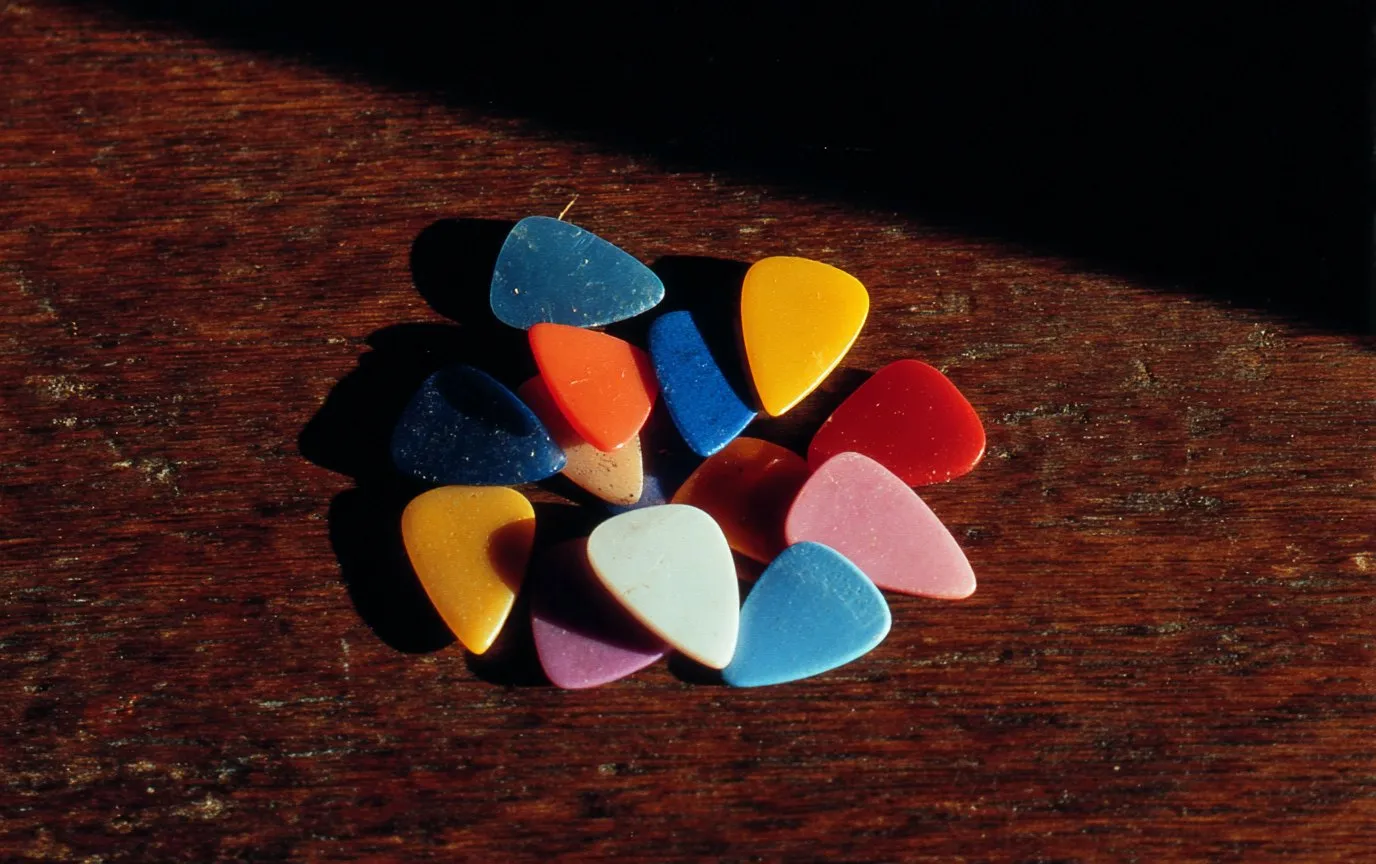
Irish tenor banjo picks: thickness, grip and triplets
Start by comparing two nylon picks, such as 0.46 and 0.60 mm, on the same short phrase. Keep the shape, tempo and exposed tip similar. Choose the one that gives you an even sound with a relaxed grip.
 Read the guide
Picking patterns for reels, jigs and hornpipes
Start with a short group of notes and keep the pulse steady. These direction diagrams give you a starting pattern for reels and jigs, then show how to carry it into a tune.
 Read the guide
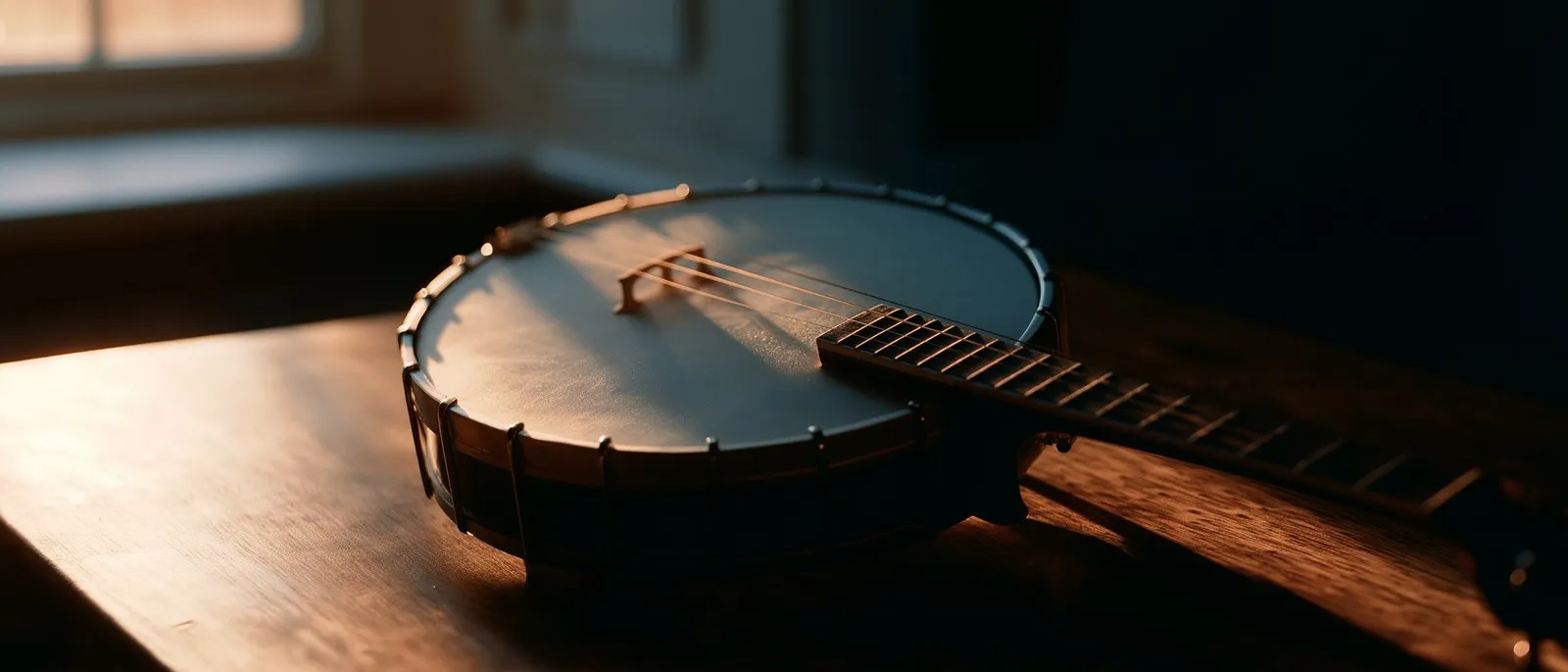
Is the banjo Irish?
No. The banjo is West African, and it reached Ireland in 1844 with a touring American blackface minstrel troupe. It took another hundred and twenty years to become the instrument you hear in a session. That is a better story than the one people expect.
 Read the guide
How many strings does a banjo have?
Five, usually. Four if it is a tenor or a plectrum banjo, and six exists. For playing Irish tunes you want four. The two common banjos are built for different jobs and the fifth string is the reason, and The Dubliners carried one of each, which is the clearest answer anybody has given.
 Read the guide
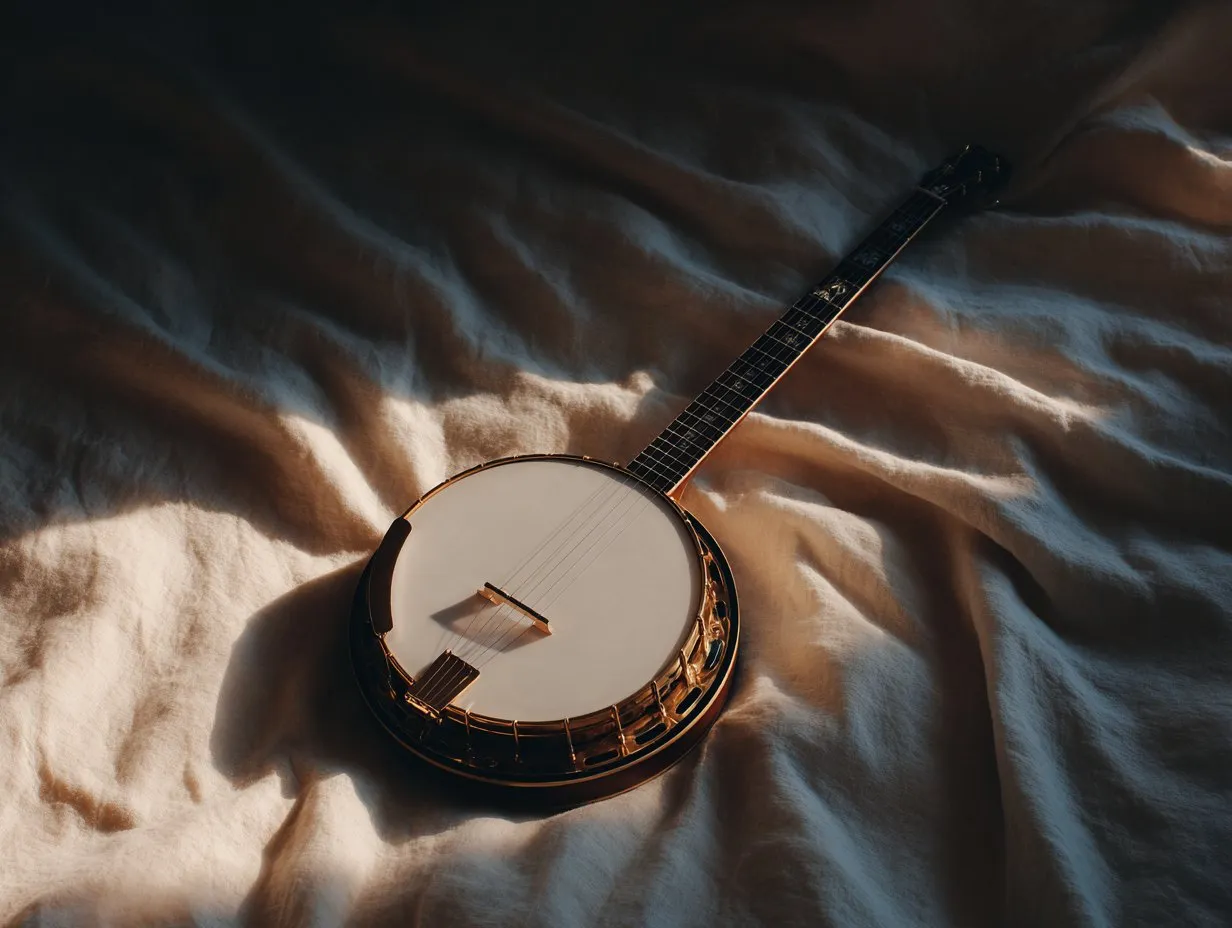
17-fret or 19-fret tenor banjo?
Try both with the same short tune. A shorter scale brings the frets closer together; a longer scale changes reach and string feel. The best fit depends on the actual instrument and its setup.
 Read the guide
What to look for in a first tenor banjo
Most first banjos are chosen on price and spec, and most of the disappointment comes from setup and from the wrong strings. Here is what each price band actually buys, what to measure, and the two things worth more than an extra two hundred euro on the instrument.
Nothing in that category yet.